


Renting with Pets in the UK: The Ultimate Guide for Pet Owners

Why Finding a Pet-Friendly Rental Can Be Difficult
The UK is a nation of pet lovers. Millions of households own dogs, cats, birds, fish, and other pets. Yet many renters discover that finding accommodation that welcomes animals is far harder than expected.
The challenge often comes down to risk.
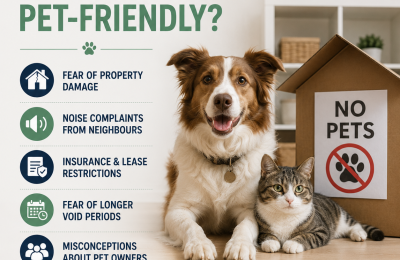
Landlords may worry about:
- Damage to flooring, carpets, and furniture
- Noise complaints from neighbours
- Additional cleaning costs
- Potential allergies for future tenants
- Insurance restrictions
- Complaints from management companies in flats
While these concerns are understandable, they do not mean landlords automatically dislike pets. Many simply want reassurance that the animal is well cared for and unlikely to cause problems.
Can Landlords Refuse Pets?
In most cases, landlords in England can decide whether they wish to allow pets in their property.
Some landlords openly advertise pet-friendly homes, while others review requests on a case-by-case basis.
Even if a property listing states "No Pets," it can still be worth asking. Some landlords may be willing to make an exception if you can demonstrate that you are a responsible tenant and pet owner.
The key is to approach the conversation professionally rather than assuming the answer will be no.
What Makes a Property Truly Pet-Friendly?
Many listings claim to be pet-friendly, but not all properties offer the same experience for pet owners.
When viewing a property, consider:
Outdoor Space
A secure garden is ideal for dogs, but even nearby parks and green spaces can make a significant difference.
Flooring
Hard flooring is generally easier to maintain than carpets and is often preferred by both landlords and pet owners.
Local Amenities
Check for:
- Veterinary clinics
- Pet shops
- Dog groomers
- Walking routes
- Pet-friendly cafés
Property Size
Hard flooring is generally easier to maintain than carpets and is often preferred by both landlords and pet owners.
Local Amenities
Check for:
- Veterinary clinics
- Pet shops
- Dog groomers
- Walking routes
- Pet-friendly cafés
A small studio flat may not be suitable for a large dog, while a spacious house with a garden could be perfect.
Neighbourhood
Some areas are far more pet-friendly than others. Access to parks, woodland walks, and open spaces can greatly improve quality of life for both pets and owners.
How to Increase Your Chances of Being Approved
Competition for rental properties can be intense, especially in popular locations.
If a landlord receives multiple applications, you need to stand out.
Create a Pet CV
A pet CV provides landlords with information about your animal and helps build confidence.
Include:
- Pet name
- Breed
- Age
- Vaccination status
- Neutering status
- Training achievements
- Behaviour information
- Previous landlord references
- Recent photographs
Think of it as introducing your pet before the landlord meets them.
A well-prepared pet CV can often make the difference between acceptance and rejection.
Provide References
If you've rented with pets before, ask previous landlords to provide a written reference.
A positive statement confirming:
- No damage occurred
- Rent was paid on time
- No complaints were received
can significantly strengthen your application.
Offer Professional Cleaning
Some tenants choose to offer a professional clean at the end of the tenancy.
This demonstrates responsibility and can help ease concerns about pet hair, odours, or allergens.
Be Honest
Never try to hide a pet.
Discovering an undisclosed animal can damage trust and may create problems later in the tenancy.
Being transparent from the beginning is always the better approach.
Understanding Pet Clauses in Tenancy Agreements
If a landlord agrees to allow pets, the tenancy agreement may include specific conditions.
Common examples include:
- Keeping pets under control at all times
- Preventing excessive noise
- Cleaning up waste promptly
- Repairing any damage caused by the animal
- Obtaining permission before introducing additional pets
Always read these clauses carefully before signing.
Understanding your responsibilities from day one can help prevent disputes later.
Dogs, Cats, and Other Pets: Do Different Rules Apply?
Landlords may have different views depending on the type of animal.
Dogs
Dogs are often the most scrutinised because of concerns around barking, damage, and exercise requirements.
Responsible ownership and evidence of training can help overcome these concerns.
Cats
Cats are generally accepted more readily, although some landlords worry about scratching and odours.
Small Pets
Hamsters, guinea pigs, rabbits, and fish are usually considered lower risk.
However, you should still obtain permission where required.
Exotic Animals
Exotic pets may require additional discussions due to housing, safety, or insurance considerations.
Questions to Ask Before Signing a Tenancy
Before committing to a property, ask:
- Are there any restrictions on pet types or breeds?
- Is the garden fully enclosed?
- Are there nearby parks and walking areas?
- Is permission needed for future pets?
- Are pets allowed in communal spaces?
- Are there additional conditions in the tenancy agreement?
Getting clear answers early can prevent misunderstandings later.
Common Mistakes Pet Owners Make
Waiting Too Long to Mention Their Pet
Always disclose your pet at the earliest opportunity.
Applying Without Supporting Information
A pet CV and references can significantly improve your chances.
Focusing Only on the Property
Remember to assess the surrounding area as well.
Ignoring Tenancy Conditions
Failing to follow agreed pet-related rules can create unnecessary disputes.
Moving Day Tips for Pet Owners
Moving can be stressful for animals.
A few simple steps can help:
- Keep pets in a quiet room while movers work
- Maintain feeding routines
- Bring familiar bedding and toys
- Update microchip information
- Register with a local vet shortly after moving
Giving pets time to adjust helps create a smoother transition into their new home.
The Future of Pet-Friendly Renting in the UK
Demand for pet-friendly housing continues to grow as more people choose to rent while owning pets.
Landlords are increasingly recognising that responsible pet owners often become long-term tenants who treat a property as a genuine home.
While challenges still exist, opportunities for pet owners are improving year after year.
For tenants willing to prepare properly, communicate openly, and present themselves professionally, finding a pet-friendly rental is becoming more achievable than ever.
News insight
 20-Jun-2026
Why Are So Few UK Rental Properties Pet-Friendly?
Despite millions of UK households owning pets, finding rental accommodation that welcomes them remai...